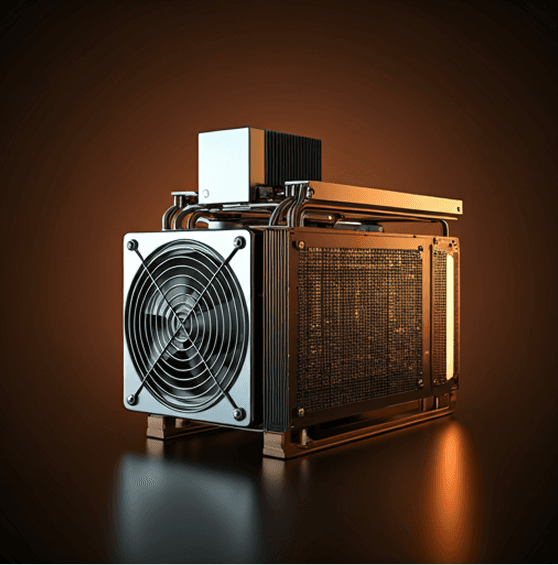
Maintenance guide
ASIC Miner Maintenance Guide: Keep Your Mining Equipment Running Efficiently
Learn how to maintain your ASIC miner, improve mining performance, prevent hardware failures, and extend the lifespan of your Bitcoin mining machine with this complete maintenance guide.
An ASIC miner is a significant investment, and like any high-performance electronic equipment, it requires regular maintenance to deliver consistent results. Whether you're operating a single Bitcoin mining machine at home or managing a large mining farm, routine ASIC miner maintenance is essential for maximizing hashrate, reducing downtime, and extending the lifespan of your mining hardware.
At CryptoMineHub, powered by Rana Global Traders, we have more than three years of experience in cryptocurrency mining and have been actively involved in the buying, selling, and repair of ASIC miners since February 2025. In this guide, we'll explain how to maintain your mining equipment, prevent common issues, and keep your ASIC miners performing at their best.
Why it matters
Why ASIC Miner Maintenance Is Important
ASIC miners operate continuously, often 24 hours a day, 7 days a week. This constant workload places stress on cooling systems, power supplies, fans, and internal electronic components. Without regular maintenance, you may experience:
Benefits of Regular ASIC Miner Maintenance
A consistent maintenance schedule offers several long-term advantages. For serious cryptocurrency miners, preventive maintenance is one of the most cost-effective investments.
Prevention
Common Causes of ASIC Miner Failure
Understanding what causes mining hardware to fail helps you prevent expensive repairs.
Dust Accumulation
Dust blocks cooling fans, air vents, and heat sinks, reducing airflow and increasing temperatures.
Poor Ventilation
Without proper airflow, hot air becomes trapped around the miner, leading to overheating and thermal throttling.
Unstable Power Supply
Voltage fluctuations and poor-quality power supplies can damage sensitive components, including hash boards and control boards.
High Operating Temperatures
Continuous exposure to excessive heat accelerates component wear and reduces hardware lifespan.
Lack of Preventive Maintenance
Ignoring routine inspections allows minor issues to develop into major hardware failures.
Components That Require Regular Maintenance
Every ASIC miner contains several critical components that should be inspected regularly:
- Cooling Fans
- Hash Boards
- Control Board
- Heat Sinks
- Power Supply Unit (PSU)
- Ethernet Port
- Power Connectors
- Air Vents
- Cables
- Temperature Sensors
Daily ASIC Miner Maintenance Checklist
Daily inspections take only a few minutes but can help identify issues early.
- Hashrate
- Chip temperatures
- Fan speed
- Power consumption
- Network connection
- Error logs
- Mining pool status
- Noise levels
Weekly Maintenance Tasks
Once each week, inspect your mining setup more thoroughly.
- Remove surface dust
- Check ventilation
- Inspect power cables
- Verify fan operation
- Ensure unrestricted airflow
- Monitor room temperature
- Check for firmware alerts
Common Warning Signs
Do not ignore these symptoms:
- Reduced hashrate
- Frequent restarts
- High temperature warnings
- Loud cooling fans
- Hardware error messages
- Burning smell
- Fan failure
- Unstable mining performance
Why Preventive Maintenance Saves Money
Preventive maintenance helps:
- Reduce emergency repairs
- Improve uptime
- Extend ASIC miner lifespan
- Lower electricity waste
- Protect expensive components
- Improve return on investment (ROI)
A small amount of routine maintenance can save significant repair costs over the life of your mining equipment.
Cleaning & cooling
Cleaning, Cooling & Preventive Maintenance for ASIC Miners
Even the most powerful Bitcoin mining machine can lose performance if dust builds up, cooling fans become clogged, or temperatures remain consistently high.
How to Clean an ASIC Miner Safely
Cleaning your ASIC miner is one of the easiest ways to improve performance and extend its lifespan. Before cleaning:
- Power off the ASIC miner completely.
- Disconnect the power supply.
- Allow the miner to cool down.
- Move it to a clean, dry workspace.
Avoid cleaning a miner while it is still powered on, as this can damage internal components.
Best Tools for Cleaning ASIC Miners
- Compressed air blower
- Soft anti-static brush
- Microfiber cloth
- Anti-static gloves
- Air duster
- Small vacuum (used carefully around the exterior only)
Avoid Using
- Water
- Household cleaning sprays
- Wet cloths
- Metal brushes
- High-pressure water cleaners
These can damage sensitive electronic components.
Dust Removal Best Practices
Pay special attention to cleaning:
- Cooling Fans
- Heat Sinks
- Air Intake Vents
- Air Exhaust Vents
- Power Supply Unit (PSU)
- Exterior Air Filters
How Often Should You Clean an ASIC Miner?
Clean Every Week If:
- The room is dusty.
- Multiple miners are operating together.
- Windows remain open frequently.
- Industrial fans are used.
Clean Every Month If:
- The mining room is clean.
- Air filtration systems are installed.
- Dust levels are low.
Cooling Fan Maintenance
Inspect your fans regularly for:
- Dust buildup
- Loose blades
- Unusual vibration
- Excessive noise
- Reduced airflow
If a fan becomes damaged or noisy, replace it promptly.
Keep Airflow Unrestricted
- Leave enough space around each miner.
- Do not block intake vents.
- Ensure hot air can exit the room easily.
- Avoid placing miners too close together.
- Position miners in the same airflow direction.
See our mining room ventilation guide for more airflow planning tips.
Monitor ASIC Miner Temperature
Most Bitcoin mining machines allow you to monitor:
- Chip Temperature
- Hash Board Temperature
- Fan Speed
- Hashrate
- Power Consumption
- Hardware Errors
Preventing ASIC Miner Overheating
You can reduce the risk by:
- Improving room ventilation.
- Cleaning dust regularly.
- Maintaining cooling fans.
- Installing exhaust systems.
- Monitoring operating temperatures.
- Using quality power supplies.
- Avoiding direct sunlight.
- Maintaining adequate spacing between miners.
Inspect the Power Supply Unit (PSU)
Inspect the PSU for:
- Dust buildup
- Loose power connectors
- Fan operation
- Burn marks
- Unusual smells
- Stable cable connections
Read our mining power supply guide for PSU selection and maintenance tips.
Check Network Connectivity
During routine maintenance:
- Verify Ethernet cable connections.
- Check network speed.
- Inspect router performance.
- Confirm mining pool connectivity.
- Review connection logs.
Keep Firmware Updated
Benefits of updating firmware include:
- Improved system stability
- Better hardware compatibility
- Performance optimizations
- Security improvements
- Bug fixes
Only download firmware from the official manufacturer or a trusted source.
Organize Cables & Record Maintenance
Cable management best practices:
- Keep power and network cables organized.
- Avoid placing cables near cooling fans.
- Replace damaged cables immediately.
- Secure loose cables using cable ties.
Include in your maintenance log:
- Cleaning dates
- Fan replacements
- Firmware updates
- Temperature readings
- PSU inspections
- Repair history
Benefits of Routine Maintenance
Expert support
CryptoMineHub Maintenance & Repair Services
Our services include:
- ASIC Miner Inspection
- Preventive Maintenance
- ASIC Miner Repair
- Hash Board Repair
- Control Board Repair
- Power Supply Diagnostics
- Cooling Fan Replacement
- Thermal Maintenance
- Mining Hardware Consultation
- Pan-India Technical Support

Troubleshooting
Troubleshooting Common ASIC Miner Problems
Knowing how to identify and troubleshoot problems early can help prevent costly downtime and expensive repairs.
Reduced Hashrate
Possible causes / signs:
- Dust buildup
- Overheating
- Faulty hash boards
- Unstable power supply
- Firmware issues
- Poor network connection
How to fix it:
- Clean the ASIC miner thoroughly.
- Check operating temperatures.
- Inspect the cooling fans.
- Restart the miner.
- Update firmware if necessary.
- Verify mining pool connectivity.
Overheating Issues
Possible causes / signs:
- High chip temperatures
- Automatic shutdowns
- Reduced mining speed
- Loud cooling fans
- Frequent thermal warnings
How to fix it:
- Improve room ventilation.
- Clean dust from heat sinks and fans.
- Maintain proper spacing between miners.
- Install exhaust fans.
- Monitor temperatures daily.
Hash Board Failure
Possible causes / signs:
- Missing chips
- Lower hashrate
- Hardware errors
- Mining interruptions
- Unstable performance
Common causes:
- Heat damage
- Power fluctuations
- Dust accumulation
- Aging components
- Moisture exposure
Hash board issues should be diagnosed by experienced technicians using specialized testing equipment.
Power Supply Problems
Possible causes / signs:
- Random shutdowns
- Miner won't start
- Voltage fluctuations
- Restart loops
- Burnt smell
- PSU fan failure
How to fix it:
- Inspect all power connections.
- Check for loose cables.
- Ensure adequate PSU wattage.
- Replace damaged connectors.
- Test with a compatible PSU if available.
Cooling Fan Failure
Possible causes / signs:
- Unusual noise
- Slow fan speed
- No airflow
- Temperature increase
- Fan error messages
Replace faulty fans immediately to avoid overheating and hardware damage.
Network Connectivity Problems
Possible causes / signs:
- Offline miners
- Pool disconnections
- Delayed shares
- Reduced mining efficiency
How to fix it:
- Check Ethernet cables.
- Restart networking equipment.
- Test internet speed.
- Verify mining pool status.
- Inspect router configuration.
When Should You Repair an ASIC Miner?
Professional repair is recommended for:
- Hash board failures
- Control board issues
- PSU faults
- Fan replacement
- Connector damage
- Firmware recovery
- Diagnostic testing
When Should You Replace an ASIC Miner?
Consider upgrading if:
- Repair costs are excessive.
- Multiple components have failed.
- Mining efficiency is significantly lower than newer models.
- Electricity costs outweigh mining returns.
- Replacement parts are difficult to source.
Professional ASIC Miner Maintenance
Professional maintenance typically includes:
- Complete hardware inspection
- Hash board diagnostics
- Control board testing
- Power supply testing
- Thermal inspection
- Fan replacement
- Firmware installation
- Performance optimization
- Final stress testing
Tips to Extend the Life of Your ASIC Miner
Schedules
Daily, Weekly & Monthly ASIC Miner Maintenance Checklist
Daily Maintenance
- Monitor Hashrate
- Check Chip Temperature
- Monitor Fan Speed
- Review Mining Pool Status
- Check Power Consumption
- Look for Hardware Errors
- Verify Internet Connectivity
- Listen for Unusual Fan Noise
- Inspect Room Temperature
Daily monitoring allows you to detect abnormal behaviour early and minimize downtime.
Weekly Maintenance
- Remove dust from the exterior.
- Clean air intake and exhaust vents.
- Inspect cooling fans.
- Check Ethernet connections.
- Verify PSU cables.
- Inspect power connectors.
- Monitor airflow around miners.
- Review miner logs.
- Check for firmware notifications.
Weekly maintenance helps keep your Bitcoin mining machine operating efficiently.
Monthly Maintenance
- Deep cleaning of the ASIC miner
- Clean heat sinks
- Inspect hash boards
- Test PSU stability
- Check cable condition
- Update firmware (if available)
- Verify temperature sensors
- Inspect room ventilation
- Review mining performance reports
Routine monthly maintenance significantly extends the life of your mining hardware.
Avoid mistakes
Common Maintenance Mistakes to Avoid
Ignoring Dust Buildup
Dust blocks airflow and causes overheating.
Poor Room Ventilation
Hot air trapped inside the mining room reduces cooling efficiency and increases hardware wear.
Using Low-Quality Power Supplies
Cheap or incompatible PSUs can damage expensive mining equipment.
Delaying Repairs
Ignoring minor issues often leads to larger and more expensive hardware failures.
Blocking Airflow
Never place miners too close together or against walls where airflow is restricted.
Skipping Temperature Monitoring
High operating temperatures reduce efficiency and shorten hardware lifespan.
Ignoring Firmware Updates
Firmware updates often improve stability, efficiency, and security.
Best Practices for Long-Term ASIC Miner Performance
Professional miners follow a preventive maintenance strategy rather than waiting for equipment to fail.
When Should You Contact a Professional?
Seek professional assistance if your ASIC miner experiences:
- Repeated hardware errors
- Hash board failure
- PSU failure
- Control board issues
- Continuous overheating
- Boot failures
- Firmware corruption
- Water or moisture damage
- Burnt connectors
- Significant hashrate loss
Why us
Why Choose CryptoMineHub for ASIC Miner Maintenance?
At CryptoMineHub, we understand that reliable mining equipment is essential for maximizing cryptocurrency mining profits.
- ASIC Miner Repair
- Hash Board Repair
- Control Board Repair
- Power Supply Diagnostics
- Cooling Fan Replacement
- Preventive Maintenance
- Performance Testing
- Firmware Updates
- Hardware Inspection
- Technical Consultation
- Pan-India Support
Our Solutions Include
- New ASIC Miners
- Used ASIC Miners
- Bitcoin Mining Machines
- Crypto Mining Hardware
- Mining Accessories
- Power Supplies
- Cooling Solutions
- ASIC Miner Repair Services
- Hash Board Repair
- Control Board Repair
- Technical Consultation
- Pan-India Delivery
FAQ
Frequently Asked Questions
Find answers to common questions about ASIC miner maintenance, cleaning schedules, cooling, and when to seek professional repair.
- Cleaning frequency
- Ideal temperatures
- Firmware updates
- Professional servicing
Inspect your ASIC miner weekly and perform a thorough cleaning at least once a month. If your mining environment is dusty, clean the miner more frequently to maintain proper airflow and cooling.
Final Thoughts
Maintaining an ASIC miner is not just about preventing failures—it's about protecting your investment and ensuring consistent mining performance.
At CryptoMineHub, we support miners across India with genuine ASIC miners, crypto mining hardware, maintenance services, repair solutions, and expert technical guidance.